Gujarat Hazardwaste Management Co.
Gujarat Hazardwaste Management Co.
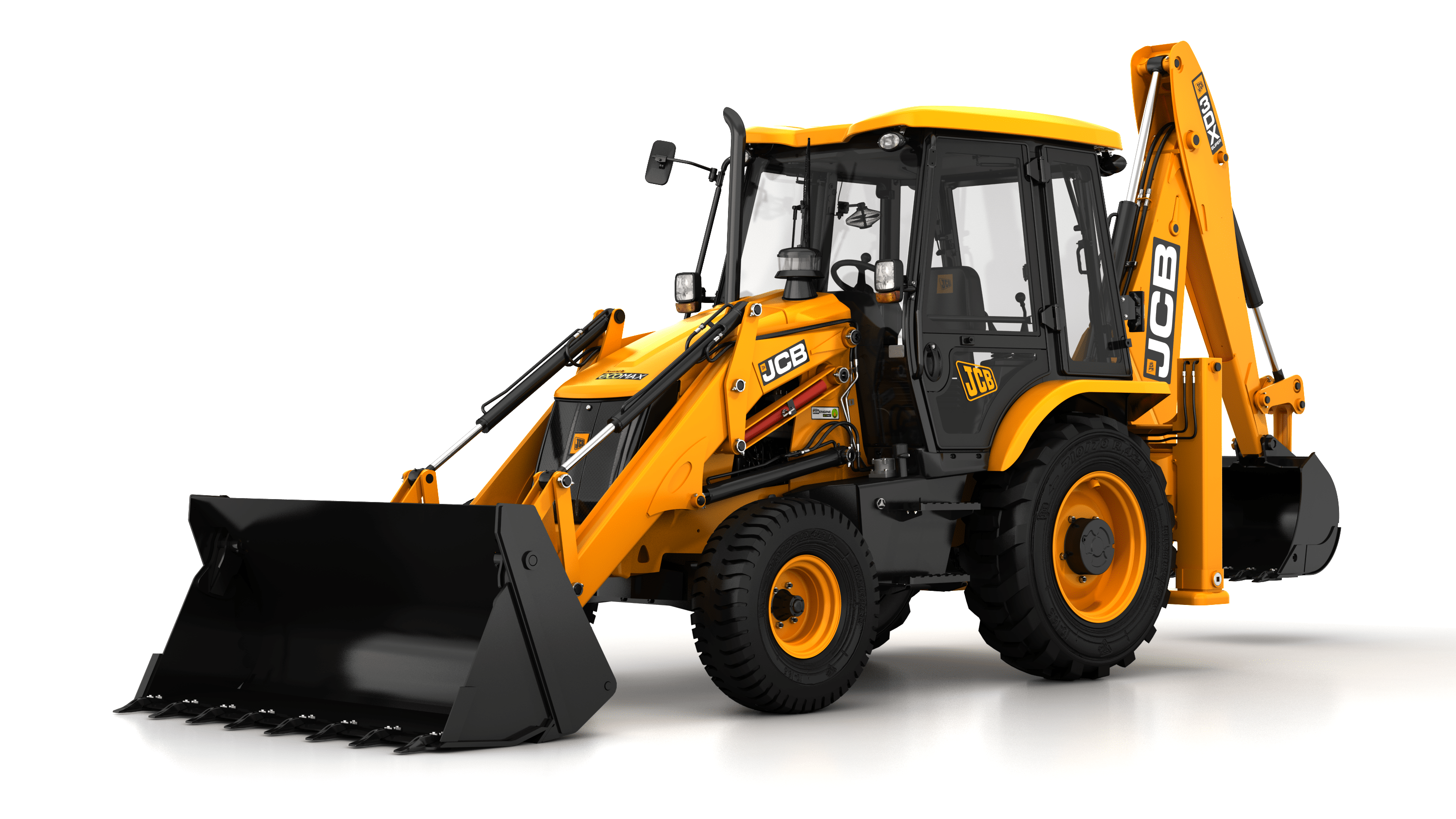
Our heavy-duty JCB machinery ensures efficient earth-moving and construction operations with maximum productivity and reliability.
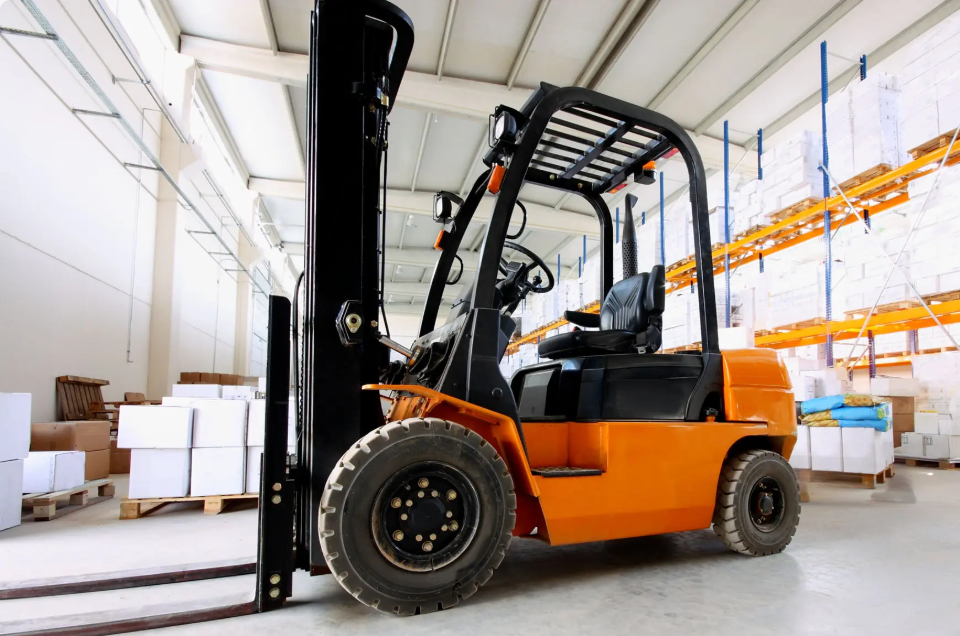
We provide fast and reliable forklift services—from loading and unloading to efficient material handling with complete safety and reliability.
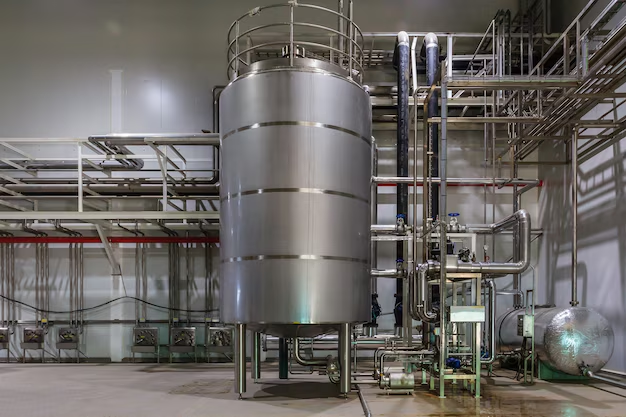
High-efficiency boiler tanks with automated temperature control for consistent steam generation and energy optimization. Engineered for industrial strength and performance under high-pressure environments. Built-in safety systems ensure reliable operation with minimal manual intervention. Corrosion-resistant design extends tank life and reduces maintenance downtime. Smart control panel enables real-time monitoring and precision heat management.
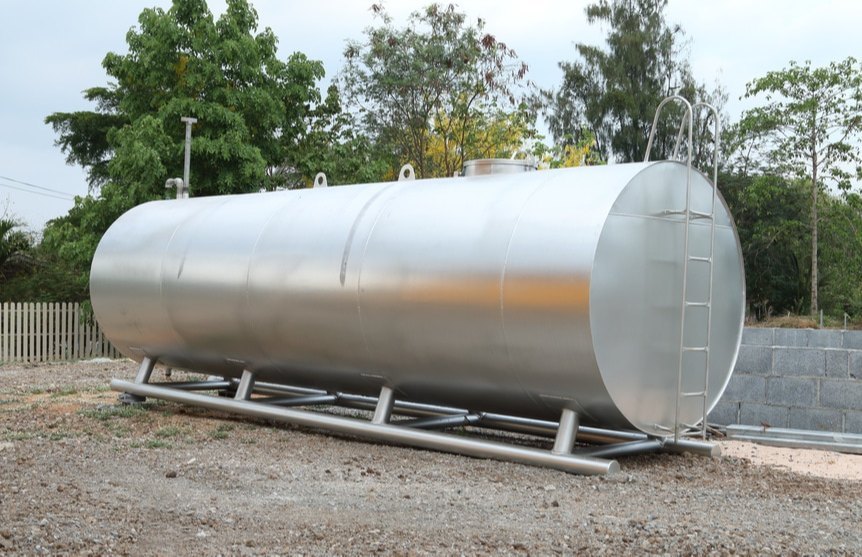
Industrial-grade reactor tanks equipped with precise mixing and temperature control for chemical processing applications .Designed for high-efficiency chemical reactions with uniform heat distribution. Robust construction using stainless steel for corrosion resistance and durability. Advanced agitation systems ensure consistent mixing of liquids, gases, or solids. Custom pressure and vacuum configurations available for versatile operations.
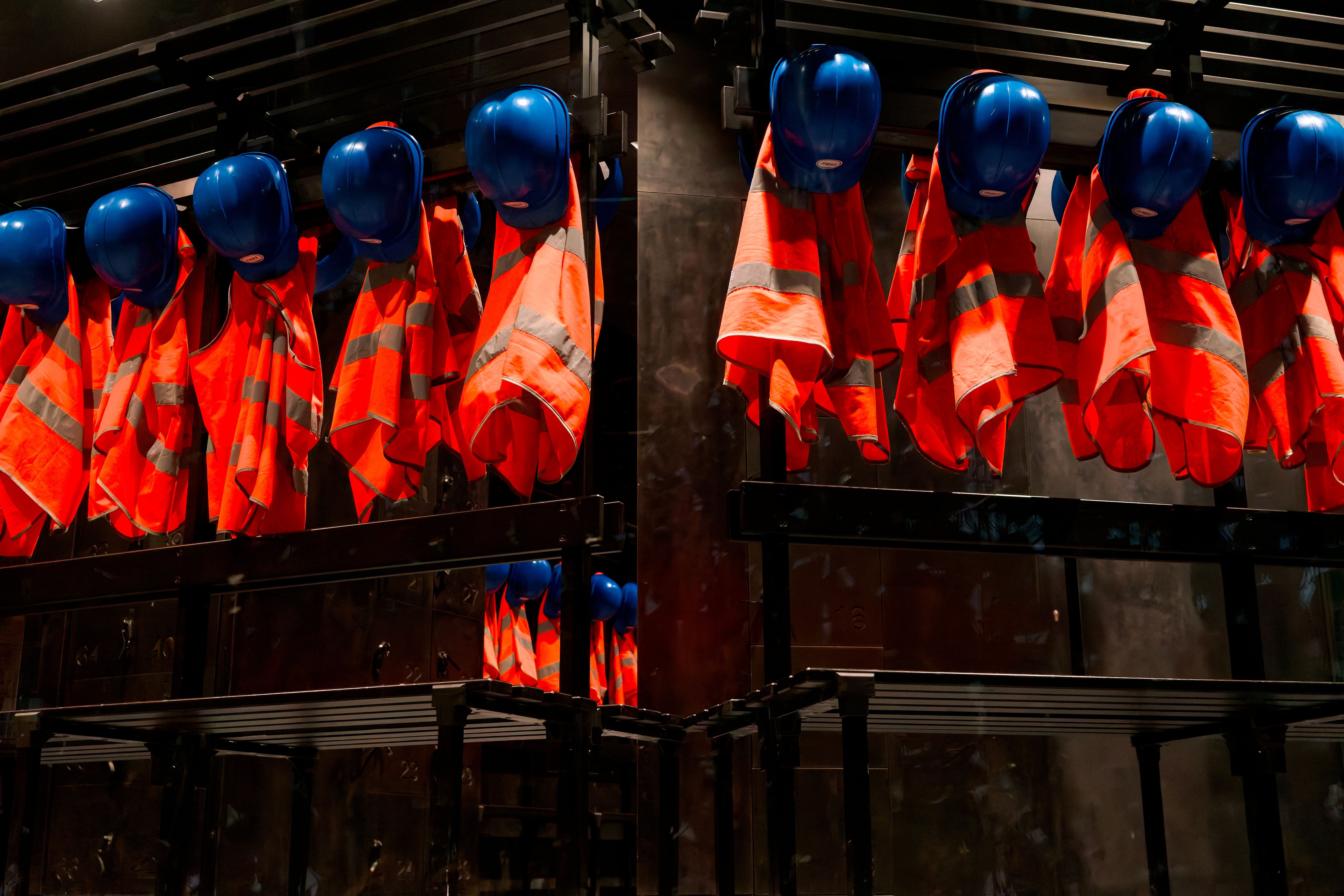
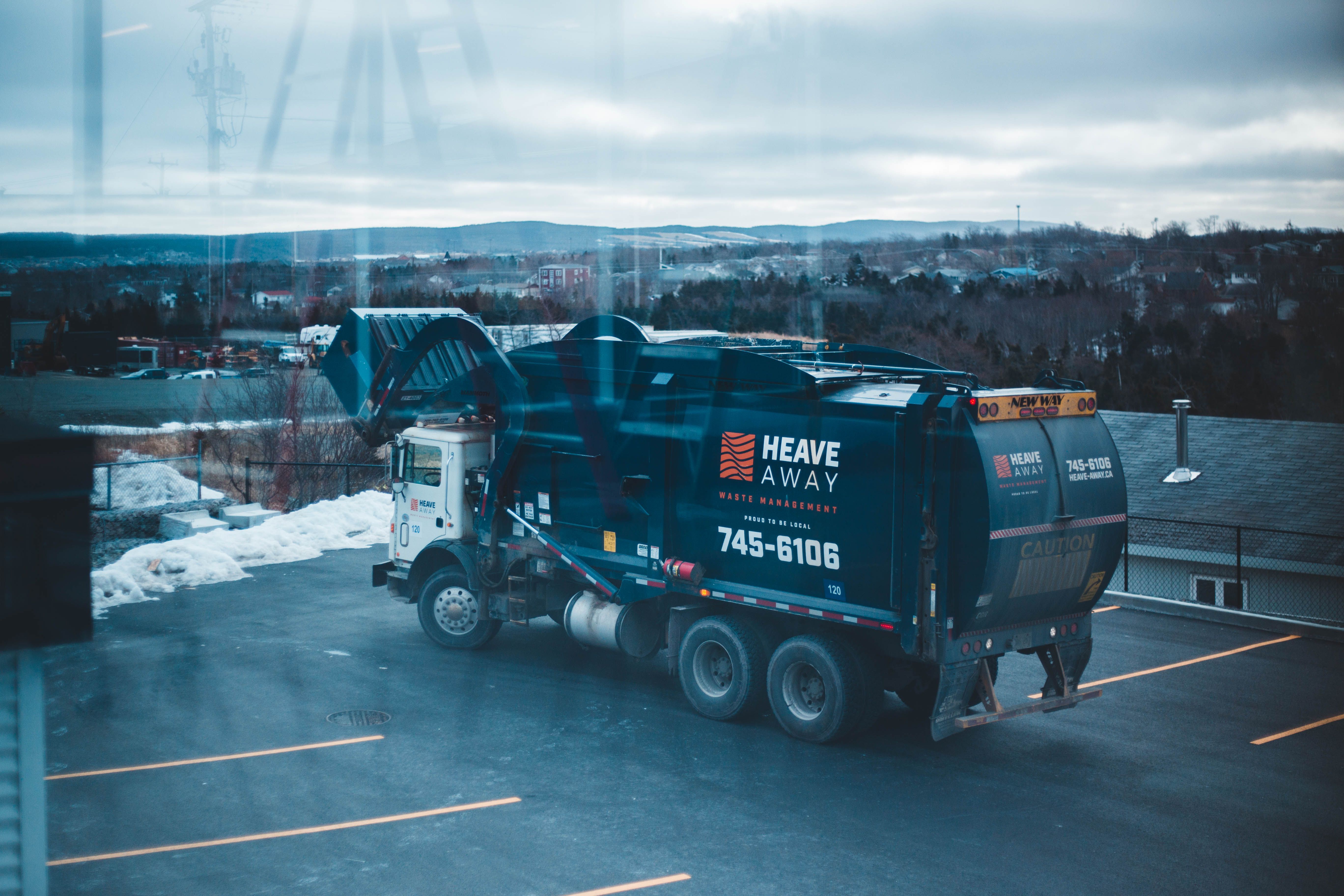
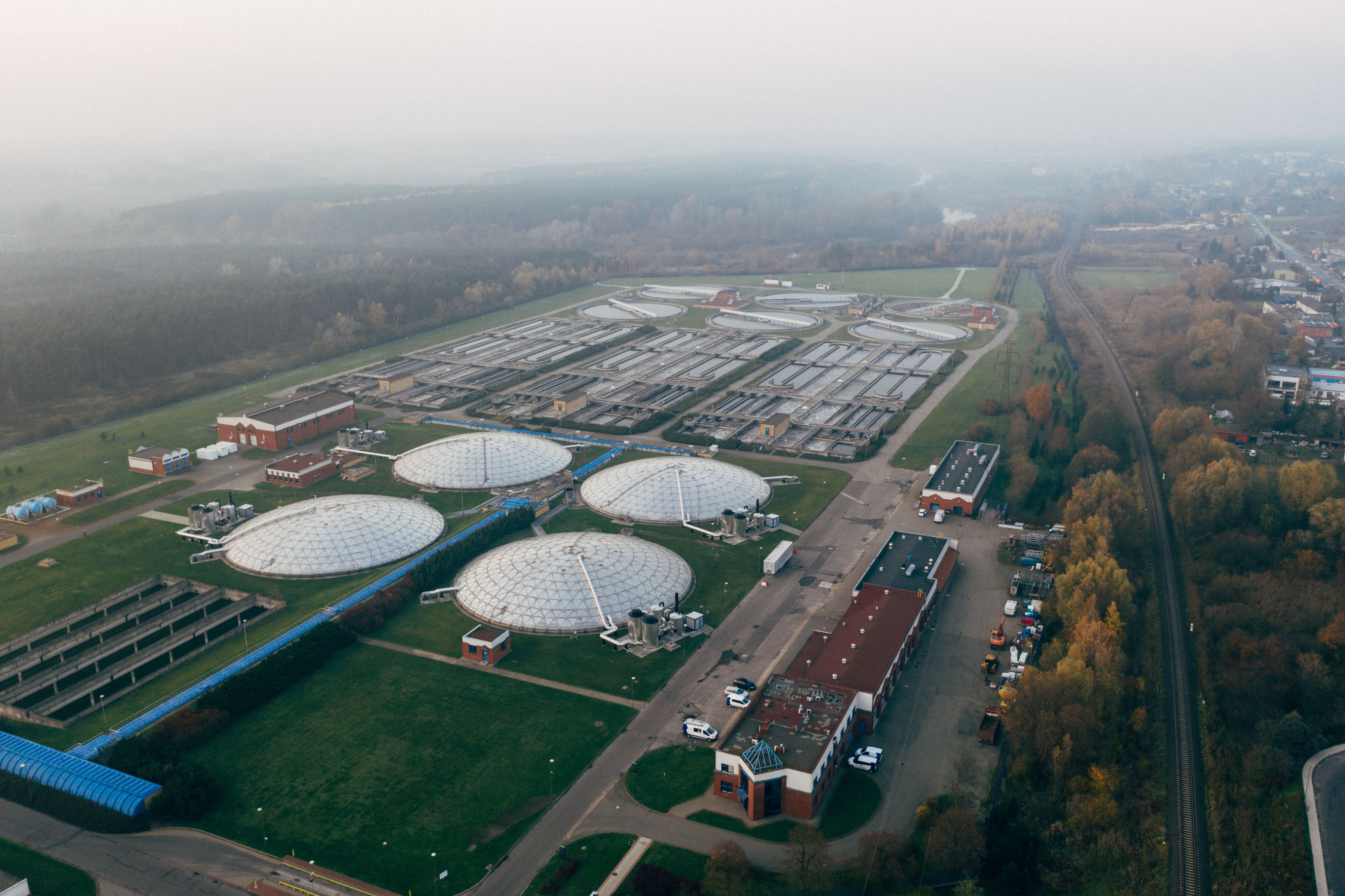
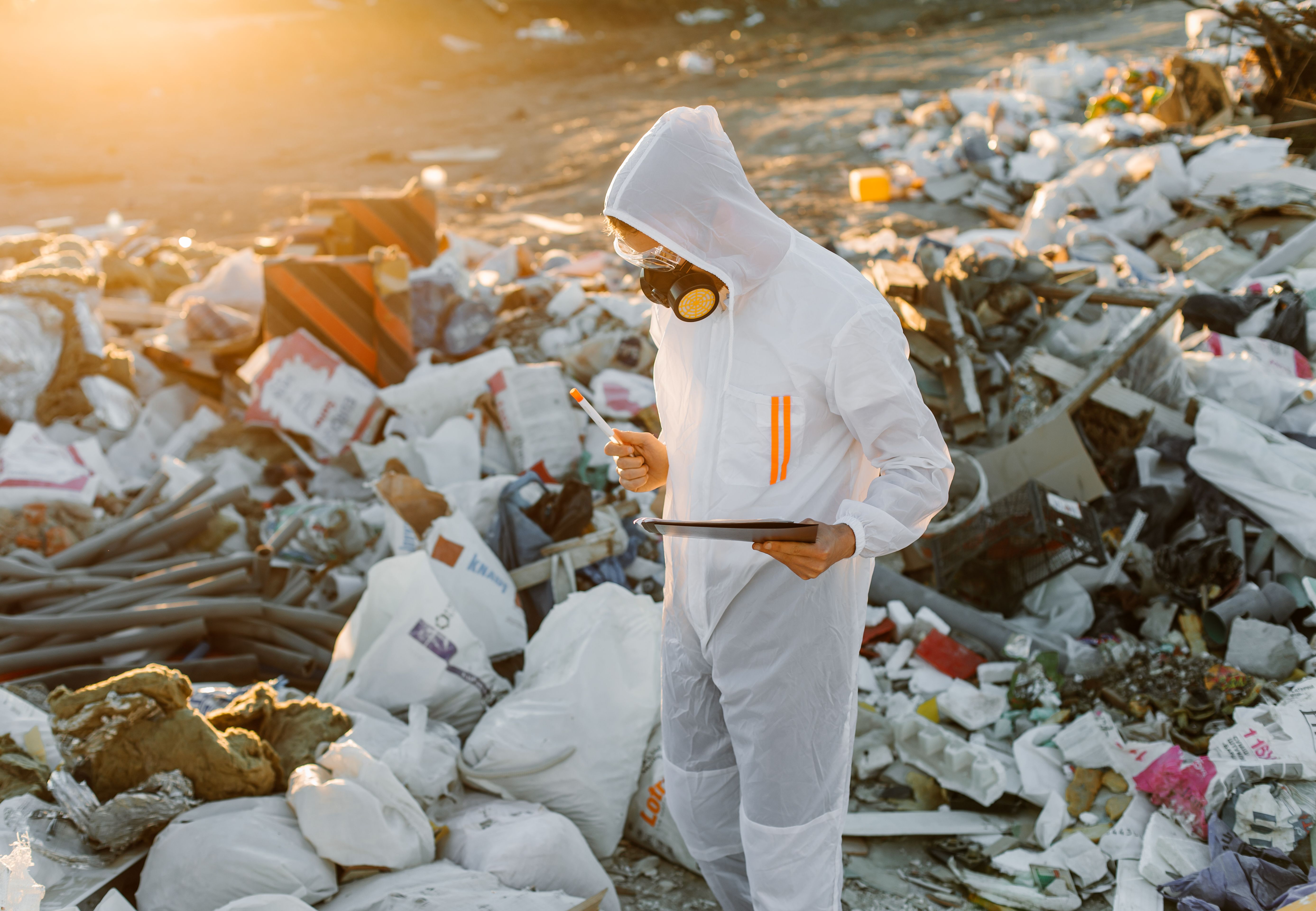
At Gujarat Hazardous Waste Management Co., safety is the foundation of every operation we undertake. We follow a comprehensive and scientifically designed safety process to ensure the secure handling, transportation, storage, and disposal of hazardous waste. Each type of waste is first identified and classified based on its physical and chemical properties to ensure proper segregation and treatment. Our trained personnel, equipped with essential Personal Protective Equipment (PPE), handle waste with utmost caution, using standardized procedures to avoid spills, contamination, or accidents. During transportation, GPS-enabled vehicles with emergency response kits and trained drivers ensure waste reaches treatment facilities safely and securely. Once received, waste is stored in secure and controlled environments equipped with fire protection systems, gas leak detectors, and regular inspection routines. Scientific treatment and disposal methods are used in compliance with CPCB and GPCB guidelines, with real-time pollution monitoring systems to ensure environmental protection. In addition, we maintain high levels of emergency preparedness through regular drills, dedicated control rooms, and coordination with local emergency services. Continuous employee training and third-party audits further reinforce our commitment to operational safety, legal compliance, and zero-incident performance. At every stage, we strive to uphold the highest standards of safety, health, and environmental responsibility.
We believe that prevention is better than cure, and our systems reflect that principle. Every member of our team is empowered to act responsibly and safely. Our processes are reviewed and updated regularly in line with global best practices. With safety as our core value, we protect not only our workers and communities but also the future of our environment.
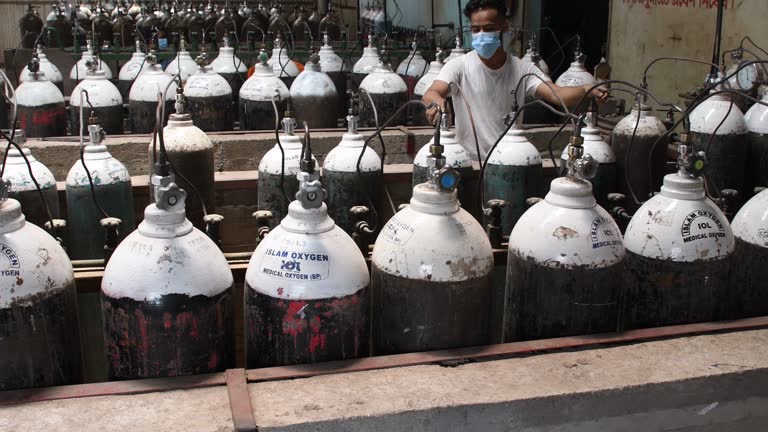
Hazardous gases produced from waste treatment (e.g., incineration, chemical reaction) are collected through ducts or chimneys.
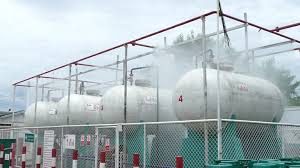
Hot gases are sometimes cooled using a heat exchanger or spray tower to increase scrubbing efficiency and protect equipment.
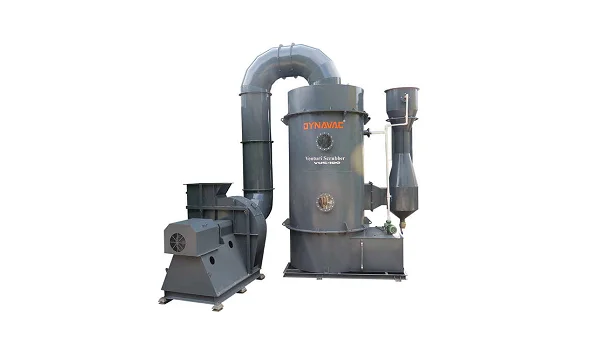
The gases enter the scrubber unit, where they come into contact with a scrubbing liquid (like water, caustic soda, or lime slurry) spray tower to increase scrubbing efficiency and protect.
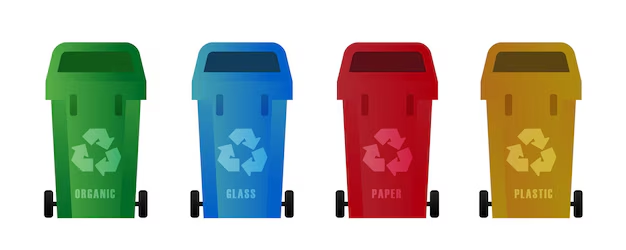
Once the scrubbing process is complete, the polluted scrubbing liquid—commonly referred to as scrubbing sludge—contains the absorbed hazardous substances removed from the gas stream. This sludge is carefully separated from the treated air using demisters or liquid separators. The collected sludge, which may contain toxic chemicals, heavy metals, or acidic residues, is then transported for further treatment, neutralization, or safe disposal at authorized hazardous waste treatment facilities. Proper handling and disposal of this sludge is critical to prevent secondary pollution and to comply with environmental safety standards. substances removed from the gas stream. This sludge is carefully separated from the treated air using demisters.
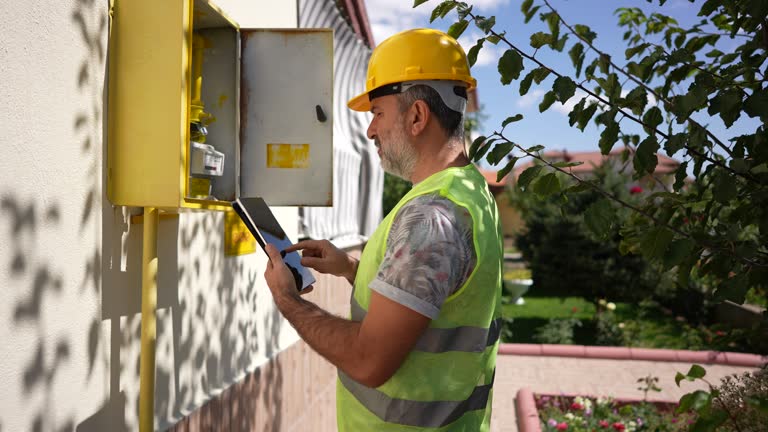
The purified gas is released into the atmosphere after passing through demisters or filters, ensuring compliance with environmental regulations. .